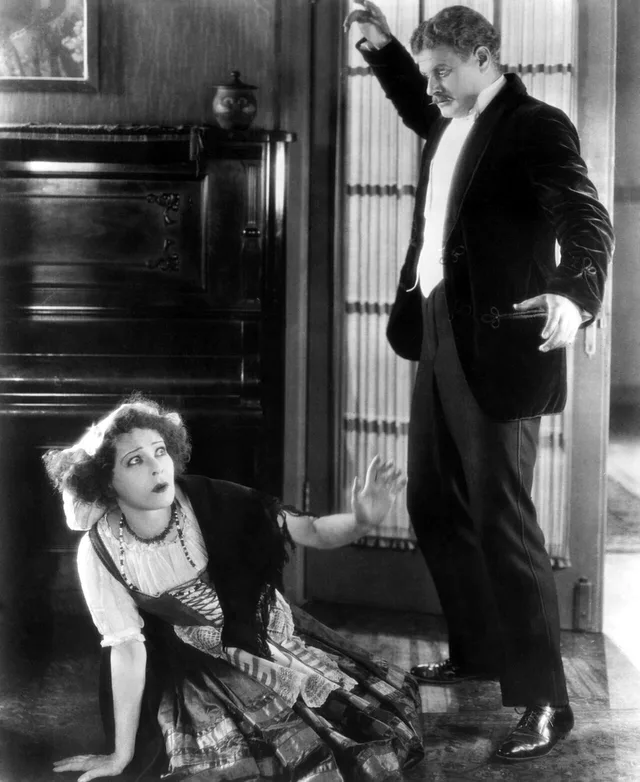
Realism in theatre

Realism in theatre
ConceptLiterature

Theatrical movement seeking fidelity to everyday life

1.25Uncommon
No. 41754Kosmora

Uncommon

Realism in theatre

Realism was a theatrical movement that began around the 1870s and continued through much of the 20th century. Closely associated with the rise of modern drama and Henrik Ibsen's prose plays, it developed conventions intended to make texts and performances resemble real life. Its works used naturalistic dialogue, psychologically driven narratives, ordinary settings and acting that emulated everyday behaviour. The Moscow Art Theatre and Konstantin Stanislavski helped establish psychological realism in Russia.

Period
Began around the 1870s and continued through much of the 20th century
Dramatic style
Naturalistic dialogue and psychologically driven everyday narratives
Associated practitioner
Henrik Ibsen
Sources and credits

Sources and credits

Article
Realism (theatre) (English Wikipedia)
Wikidata
Q9485200
Text
Card text is adapted from the English Wikipedia article by an automated summary. Wikipedia content is available under CC BY-SA 4.0; see the article history for its contributors. CC BY-SA 4.0 · Article history and contributors
Illustration
By United Artists. Public domain · File page on Wikimedia Commons
United Artists, Doctormacro
Modifications: Resized and converted to WebP
Popularity
46 median daily views (Wikimedia Pageviews API (all-access, user agent))

Kosmora is not affiliated with or endorsed by the Wikimedia Foundation.